Many teams today work remotely or in hybrid setups, making it challenging for managers to ensure work progresses smoothly without constant supervision. This is where time data becomes valuable, as it shows how much time teams spend on tasks, projects, and activities. This data is usually collected using tools such as WebWork Time Tracker.
However, time data should not be used to judge or closely monitor individual employees. Instead, it should serve as a high-level indicator that helps improve outcomes for the entire team. Think of time data like a car dashboard. It shows speed, fuel level, and warning signs to help you drive better, not to blame the driver. Time information enables managers to make improved plans, divide work fairly, and make wise decisions on behalf of the team.
This approach builds trust. Employees feel the data is used to create balance and fairness, rather than making them feel constantly monitored. Tools like WebWork simplify this process with automatic tracking, detailed reports, and AI that identifies issues such as excessive team workload.
What Is Time Data and Workload Management Data?
Time data refers to records of how time is spent on work-related activities. For example:
- How long does it take the team to complete a report?
- What are the projects that consume the greatest number of hours?
- Are there trends, such as spending more time in meetings than on focused work?
Workload management data simply refers to information about how work is distributed across a team. This is automatically collected by WebWork. It shows how much time the entire team spends on each project. It does not indicate a specific person.
WebWork offers detailed reports, visual charts, and AI-powered insights. The AI can even detect early signs of team overload or burnout before they become serious problems.
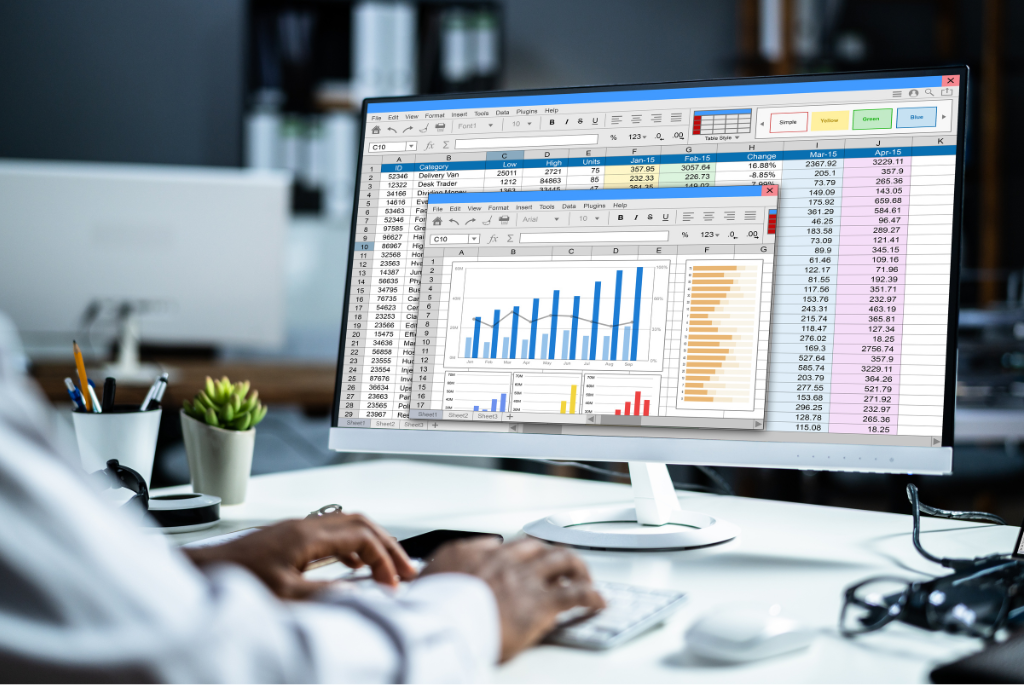
These dashboards show how time-tracking tools like WebWork present project reports and workload charts clearly and visually.
These dashboards allow managers to see the big picture at a glance, such as the amount of time spent on various tasks or projects.
The Benefits of Time Data in Making Better Plans.
Planning involves deciding what needs to be done, when it should be done, and how many people are required. Without data, planning is mostly guesswork. Will this project take two weeks or four?
Having workload management data provided by WebWork:
- Review past projects to estimate timelines, especially if a similar task previously required 50 hours.
- Allow buffer time for unexpected challenges.
- Establish achievable timelines to ensure that the team is not in a hurry.
For example, when developing a website as a team, according to WebWork reports, it takes longer to design than to code. The second time around, you will give more time to planning the design.
This improves project completion rates. No more last-minute stress.
Project plans normally appear such that tasks and time expectations are depicted by bars, which are calculated using actual figures.
WebWork’s Project and task management features make creating these plans easier.
Balancing Workloads: Ensuring that No Person is Overworked.
Unbalanced work is one of the largest issues for teams. Some team members are overloaded, which can lead to fatigue and burnout. Others may have too little work, which can lead to disengagement.
This issue can be addressed using workload management data. WebWork shows:
- What are the most time-consuming projects of the team?
- In case the entire team is working overtime frequently.
- There are trends, such as a particular department always being busy and the other not being busy.
Managers can then:
- Move tasks around.
- Hire help if needed.
- Reject work until the team finishes.
WebWork’s AI helps identify workload imbalances and suggests corrective actions, such as the redistribution of duties.
This makes everybody happier and healthier. There is no burnout, and more work is accomplished.
Workload balancing aims to ensure work is distributed evenly across the team.
Work-life balance tracking is also a feature of WebWork, where teams are categorized as healthy, overworked, or underworked.
Making decisions using time data to be smarter.
Good leaders make decisions based on facts, not emotions. Time data gives those facts.
Examples:
- Should we take on a new client? Check whether the team has enough available capacity.
- Where to spend money? Statistics reveal the activities that are the most time-consuming (and expensive).
- How to improve? Check whether there is an excess time spent on meetings, and perhaps reduce some.
WebWork offers more than 15 kinds of reports, graphical charts, and AI summaries. Managers can receive easy-to-understand insights, such as: This project is running 20% slower than usual, here’s why:
Analytics dashboards enable managers to get clear data to make decisions.
This turns insights into actions that improve overall company performance.
Why This Way Is Better than Watching Individuals.
In traditional management styles, time data is often used to judge whether individuals are working hard enough. This approach feels intrusive and damages trust.
Instead, leaders should focus on team-level signals:
- Builds trust by showing employees that data is used to support them, not punish them.
- Allows prevention of overload burnout.
- Enhances productivity: even-handed workloads are an indicator of improved work.
- Money saved: proper planning eliminates time wastage.
Such remote teams are empowered and happy, as are the teams shown to have freedom of work.
WebWork is backed by privacy settings and an emphasis on group insights.
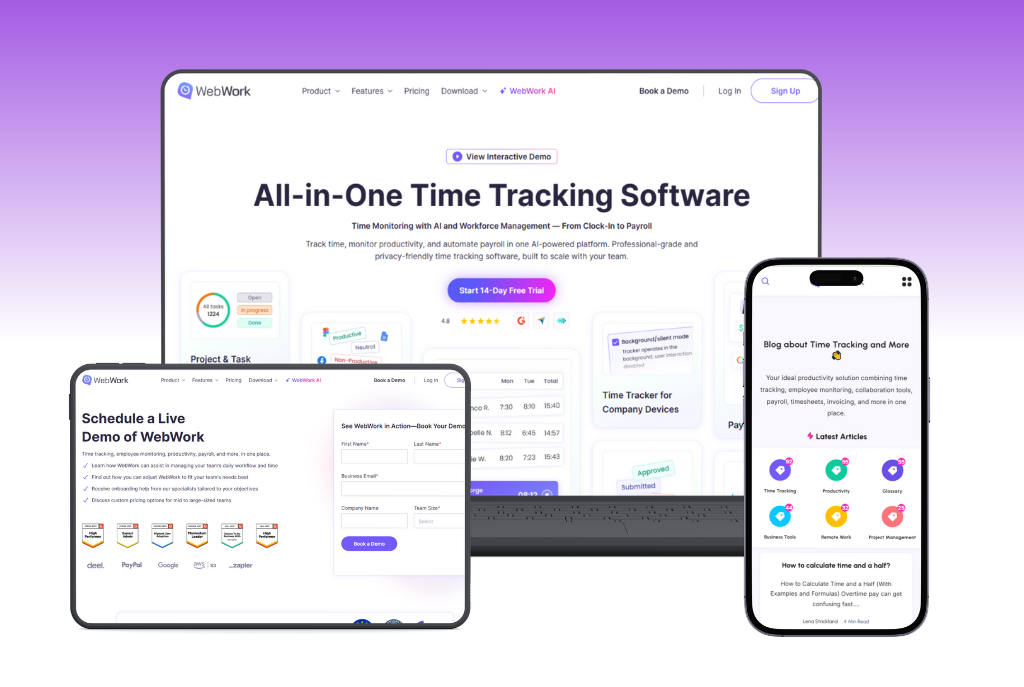
Introduction to WebWork.
WebWork is easy to use. It automatically or manually tracks time, captures optional screenshots to have evidence (but use sparingly), and provides all the mentioned reports.
Its AI analyzes data and provides actionable recommendations. Ideal in the case of remote or office teams.
You can start by signing up for WebWork’s free trial. Plans are affordable, beginning with a low per-user cost.
Final Thoughts
When used correctly, time data becomes a powerful management signal. With the workload management data provided by WebWork, you make smarter plans, balance work impartially, and make decisions with confidence that you are not dealing with individual people but with teams.
This will result in happier teams, improved outcomes, and reduced stress. This is the future in 2026, when more people will be working at a distance. Give it a go and make your team a success.